Printable guide
Campeche Street Food: What to Eat and Where to Find It
Published

Campeche street food in context
Campeche street food is practical food: corn tortillas, beans, seafood, slow-cooked pork, bright salsas and cold drinks served where people already shop, work and meet. You do not need a formal food tour to eat well here. A morning around the central market, a midday detour through streets outside the historic centre, or an evening walk between plazas can become an introduction to Gulf-coast cooking.
The important distinction is between Campeche State food and a generic list of Mexican snacks. Some dishes overlap with Yucatan and the wider peninsula, but Campeche’s relationship with the Gulf, fishing ports and the old walled city gives its cooking a strong seafood identity. Pan de cazón is the clearest example, but it is only the beginning. Empanadas, shrimp, ceviches, fish tacos, panuchos, salbutes, cochinita, tamales and marquesitas all appear in different settings and at different times.
This guide concentrates on what you can realistically look for in San Francisco de Campeche, with notes for Champoton and other coastal stops. Menus and opening patterns change, so treat a dish as a useful request rather than a promise that every vendor has it daily. Ask what was cooked that morning, follow the busiest counter and keep your first order small if you want to compare several things.
GuideBest Beaches in Campeche and Near Campeche CityExplore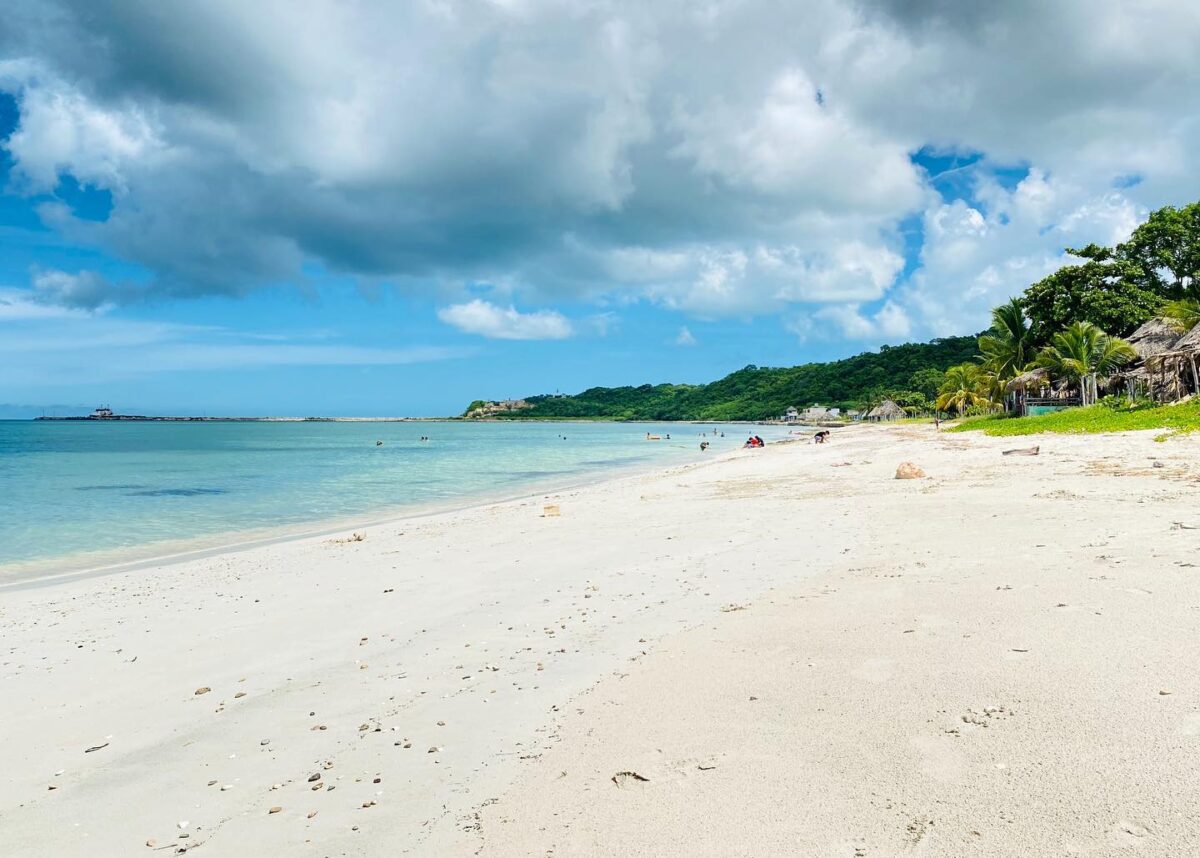
How to eat street food
Street food is not confined to one market or one pedestrian lane. In Campeche City, opportunities cluster around the central market, historic-centre streets, neighbourhood cenadurias, transport corridors and the coastal road. The scene changes by time of day. Breakfast counters and market stalls are strongest in the morning. Lunch moves toward seafood and regional plates. Evening food is more social, with tacos, tortas, fried snacks, sweet griddled treats and drinks.
Start by deciding whether you want a full meal or a tasting walk. For a meal, choose one busy counter and order a plate prepared continuously. For tasting, split one portion with a companion, then move on. That lets you try a layered dish, a seafood empanada and something sweet without turning the day into an eating contest.
Look for turnover rather than decoration. A line of local customers is useful evidence that ingredients are moving. It is not a guarantee, and it does not replace basic hygiene, but it usually beats judging a stall by its sign. Watch whether cooked food is kept hot and whether raw seafood is separated from ready-to-eat garnishes. When something looks quiet, ask if a fresh batch is coming rather than ordering by guesswork.
The heat changes how you plan. Carry water, eat smaller portions at midday and use shade. Seafood is worth eating earlier when you can ask what arrived fresh. At night, go easy on unfamiliar salsas until you know their heat. Habanero is part of local cooking, not a decorative garnish; taste a tiny amount first.
Pan de cazón
Pan de cazón is the signature dish to seek first. It is not bread. It is a stack of softened corn tortillas layered with black beans and shredded cazón, then covered with tomato-based sauce. Cazón refers to a small shark or dogfish used traditionally in Gulf cooking. The fish is mild and flaky, while beans and sauce provide most of the body and colour.
A serving is soft, warm and substantial. The texture sits somewhere between enchiladas and a layered tortilla casserole, although the comparison should not replace the dish’s own identity. Look for avocado, onion or habanero, but do not assume every kitchen uses the same garnish. If cazón is unavailable, a kitchen may use another firm fish; ask what is in the filling.
 A plate of pan de cazón made with layered tortillas, beans and fish in Campeche
The dish connects Champoton and Campeche City. Champoton’s fishing identity is a reminder that pan de cazón is not simply a tourist invention in the capital. If you travel south along the coast, you may encounter regional versions. In the city, order it as lunch or substantial late breakfast rather than a quick bite.
Read the pan de cazón guide for the layers and ordering advice. For a food-focused activity, check Campeche activities on GetYourGuide and Campeche options on Viator, using the live listings to check your dates.
GuidePan de Cazón in Campeche: What It Is & Where to Try ItExploreEmpanadas, panuchos and salbutes
Empanadas are useful because they travel well, arrive hot and can be filled with seafood, cheese, meat or vegetables. Seafood versions are particularly relevant: you may see shrimp, fish or dogfish, depending on the kitchen. The outside can be crisp while the inside stays soft and savoury.
Ask what fillings are available. A vendor may make one filling in the morning and another later, or may sell out. Salsa, pickled onion and lime change the balance of a fried empanada, so try the first bite plain. One or two shared between two people is enough to compare the dough and filling.
Panuchos and salbutes are familiar across the peninsula, but they still belong on a Campeche list. A panucho has beans worked into the tortilla and is usually fried and topped. A salbut is a puffed fried tortilla with toppings. You may find shredded turkey, chicken, pork, seafood, cabbage, onion or avocado.
Panuchos tend to have a firmer bite. Salbutes are lighter and puffier. Neither is automatically breakfast-only. They can be a quick meal at a market counter or evening snack. Order one of each if curious, but avoid ordering a large stack immediately. The toppings and frying make the portion more substantial than it first appears.
Seafood tacos, tostadas and ceviche
Campeche’s coast makes seafood a natural street-food category. Fish tacos, shrimp tacos and seafood tostadas appear in casual counters and busy commercial areas. Fish may be grilled or fried, shrimp sautéed or battered, and tostadas topped with ceviche, shrimp, octopus or mixed seafood.
The best choice depends on time and turnover. A cooked fish taco is an easy first order. Ceviche is refreshing but deserves attention to freshness and cold storage. If a stall cannot answer what seafood is served, choose a cooked option or another counter.
A tostada is often better shared. It is crunchy, acidic and messy once lime and salsa are added. Eat it immediately, before the topping softens the base.
Cocteles are seafood cocktails with tomato-based sauce, onion, herbs, citrus and sometimes avocado. They are spoonable and saucy, unlike ceviche, which focuses on marinated seafood and chopped garnish. Ask whether seafood is cooked, cured in citrus or served raw. If your stomach is sensitive, choose a busy place and eat earlier.
A morning at Mercado Principal
Mercado Principal Pedro Sainz de Baranda is the obvious starting point for everyday food in Campeche City. It is a working market, not a staged attraction. Produce, meat, fish, household goods and prepared food share the same broad environment. That mix lets you see ingredients before seeing them cooked.
Go in the morning if you want the broadest choice. Do not rely on a fixed hour from an old blog post. Holidays interrupt routines and individual counters close before the building feels empty. The municipal authority publishes updates through its markets information page, but individual vendors keep their own rhythm.
A street scene in Campeche’s historic centre where local food stalls serve the daily flow
Walk one complete circuit before ordering. Note which counters have steady customers and where tortillas are being made or reheated. Choose a small breakfast, perhaps a panucho, salbut or tamal, then finish with fruit or an agua fresca.
Ask before photographing a vendor or person at close range. Keep your bag in front of you. Do not block a counter while translating. If you do not know how to order, point to a plate and say “uno, por favor,” then indicate whether you want it spicy.
The evening antojito route
Street food changes after the main breakfast period. Look toward cenadurias, neighbourhood counters and streets around the historic centre rather than expecting the market to supply every meal. The useful word is antojitos: small comforting foods that can become dinner when combined.
A good route includes one savoury snack, one shared regional plate and a dessert. Start with panuchos or salbutes, then compare a taco or empanada. If you have not eaten pan de cazón at lunch, share a serving at a seated counter in the centre. End with a marquesita only if you still have room.
Calle 59 and the surrounding historic streets are convenient for combining food with an evening walk. The street is not a guarantee that every business serves street food, and the atmosphere changes with tables, music and traffic. Move a block away if you want a quieter counter.
 Calle 59 in Campeche’s Colonial Quarter, an evening area for walking between food stops
If staying in the centre, check current Campeche hotels on Booking.com and compare Campeche stays on Trip.com. Walking distance makes a food crawl easier and lets you return if the heat catches up.
Marquesitas, corn and drinks
Marquesitas are thin, crisp griddled crepes folded around a filling, commonly cheese plus a sweet ingredient such as chocolate or fruit. They are made to order, so the texture is best immediately. Salty cheese keeps the sweetness from becoming flat.
Look for a cart preparing them in front of customers. The batter should be spread thinly and cooked until crisp before filling. Hold the cone carefully because melted filling can run from the bottom. A marquesita is an excellent final stop after a walk.
Aguas frescas are the practical answer to heat. Horchata, jamaica, lime water and fruit drinks appear in markets and kitchens. Ask whether the drink is fresh and sweetened; sweetness varies. Water should remain your main hydration before a long walk along the walls or malecón.
 Elotes and esquites photographed in Campeche, a casual corn-based snack found in street settings
Elotes and esquites are familiar corn snacks. They are not uniquely Campeche, but fit the street-food rhythm: quick, customisable and easy to share. Ask for chile, lime and cheese according to your tolerance. A cup of esquites is less messy while walking.
Regional dishes beyond quick snacks
Street food should not make you overlook dishes that take longer to prepare.
Campeche cooking includes stews, tamales, baked dishes and seafood plates that appear in market kitchens or casual restaurants rather than on a hand-held menu.
Pibipollo is associated particularly with Hanal Pixán and seasonal traditions. It is a large tamal-like preparation with masa and fillings cooked together. Availability is seasonal, so do not expect it every month. If you encounter it during a festival or family celebration, ask how it was prepared and whether a small portion is available.
Queso relleno, stews and slow-cooked pork show another side of state cooking. Approach them as a seated meal because sauces need a plate. Ask for a regional recommendation rather than ordering from a fixed checklist. A kitchen may have one dish ready that represents that day better than a famous item on a website.
Pámpano and other Gulf fish may be grilled, baked, fried or cooked with sauce. Ask how the fish is prepared and whether it is local or substituted. If travelling through Champoton or another coastal town, fish can be a better choice than importing inland expectations about tacos.
Champoton and the coastal connection
Champoton is a useful food stop if your itinerary already runs along the coast. It is not a sensible detour merely to buy one snack from Campeche City, but it adds context to seafood dishes in the capital. Fishing, markets and the Gulf are visible parts of the town’s identity.
Eat what is moving. Ask what seafood arrived that day, whether a dish is cooked to order and what the local speciality is. Avoid promising yourself one exact business unless you checked it immediately before travelling. Small coastal businesses change names, schedules and offerings faster than destination guides do.
If you stay overnight, compare Champoton accommodation on Booking.com with Champoton hotels on Trip.com. An overnight stop can turn a rushed lunch into an unhurried evening, but Campeche City remains the easier base for a broad choice.
Guide5-Day Campeche Itinerary: City, Maya Ruins and CoastThis five-day Campeche itinerary balances the walled city, an Edzná ruin morning, a Gulf coast run to Champotón, and either a deep Calakmul overnight or extra city and cenote time near Hopelchén. It assumes a rental car, builds in heat-aware pacing, and offers a shorter variant if you skip the southern jungle. Link out to dedicated city, Edzná, and Calakmul guides for detail on each segment.Explore
Ordering and dietary needs
Food vocabulary goes a long way. ¿Qué hay hoy? means what is available today. ¿Es de pescado? asks whether something is made with fish. ¿Pica? asks if it is spicy. Sin chile, por favor means without chile. Para llevar is take away and aquí means here. If you have an allergy, say the ingredient clearly and confirm before ordering.
Cazón is not the same as any fish, so ask if you want to know what is being used. Mariscos means seafood broadly. Camarón is shrimp, pulpo is octopus, pescado is fish and jaiba is crab. Pointing at a displayed plate is acceptable.
Cash is useful at small counters and markets. Carry small notes and coins, but do not display a large wallet in a crowded aisle. Ask the total before paying if the menu is not posted. At a sit-down place, check whether service is included before tipping.
Vegetarian street food is possible but needs questions. Beans, cheese, corn, fruit and vegetable fillings provide options, but refried beans may use pork fat and a vegetable salsa may share a surface with meat. For gluten avoidance, corn tortillas are common but cross-contact is possible. For seafood allergies, ask about shared fryers and utensils.
Choose cooked seafood if uncertain. Eat ceviche and cocteles at busy counters with visible refrigeration and turnover. Avoid food sitting warm for an unknown time. Wash or sanitise your hands before eating, especially after handling cash.
A realistic one-day food itinerary
Begin with a light breakfast near the market. Walk through Mercado Principal, observe the counters and choose a panucho, salbut or tamal. Drink water, not only a sweet agua fresca. Leave room for lunch.
Spend late morning in the historic centre while the heat is manageable. A short walk through plazas and streets gives breakfast time to settle. If you see an empanada counter with good turnover, share one instead of ordering a full second meal.
Make lunch the main regional dish. Pan de cazón is logical if you have not tried it. Pair it with a simple drink and ask for salsa on the side. If you already know it, choose Gulf fish, a seafood plate or regional stew rather than repeating.
Rest during the hottest afternoon hours. Campeche is easier when you do not treat every hour as sightseeing time. In the evening, walk Calle 59 and adjacent streets, share panuchos, salbutes or tacos, and finish with a marquesita.
For a bookable cultural activity on another day, compare Campeche tours on GetYourGuide and Viator experiences in Campeche. Use live listings as a date-specific check, not a reason to force a tour into a food itinerary.
Closing recommendation
Campeche street food makes more sense when you connect dishes to places and routines. Pan de cazón points toward the Gulf and Champoton. The market shows ingredients and everyday commerce. Seafood counters reveal the coast, while panuchos, salbutes and marquesitas show the wider peninsula’s shared food language. Seasonal dishes add a calendar dimension that no permanent menu can reproduce.
Choose one market morning, one seated regional meal and one evening snack walk. That is enough to eat widely without rushing. Stay curious, ask what is fresh, keep the spice gradual and leave room for a dish you did not plan to order. In Campeche, the strongest street-food experience is usually not a perfect checklist; it is a series of small, well-timed choices made where local people are already eating.
Choosing between market food and a restaurant
A market is best for observing daily routines, comparing small portions and finding breakfast. A restaurant is better for a full serving of pan de cazón, a carefully plated fish dish or a regional preparation that needs time. Use both rather than treating one as more authentic. A market meal can be excellent and a restaurant can preserve local recipes; the useful question is what you want to eat and how much time you have.
If you are travelling with children, start with familiar items such as cheese quesadillas, plain tortillas, fruit or a cooked fish taco, then add salsa separately. Children can share an empanada and watch a marquesita being made. If someone in your group does not eat seafood, Campeche still offers beans, pork, chicken, cheese, corn and fruit, but ask about cooking fat and shared surfaces.
Timing around transport
Do not schedule a complicated tasting walk five minutes before a bus departure. Markets can be crowded, service can be unhurried and a first visit takes longer because you are learning how counters work. Eat before a long drive, but choose cooked food that travels safely. For a road trip toward Edzná, Champoton or the south, carry water and make the meal a deliberate stop rather than buying a fragile seafood dish at the last possible moment.
A taxi or local ride can be useful after dinner, especially if you are staying outside the walled centre. If walking, use the same common-sense precautions as in any busy city: keep valuables secure, remain aware of traffic and do not let food photography distract you at crossings. The best food memory is not worth rushing across a road.
How to compare a dish fairly
Recipes vary. One pan de cazón may use more tomato, another more beans, and a third may make the fish the dominant flavour. A seafood empanada can be crisp at one counter and softer at another. Variation is part of eating locally, not automatically evidence that one serving is wrong.
Compare preparation, freshness and balance rather than portion size alone. Ask whether the tortilla was fried, whether the fish was cooked that morning and whether the salsa is made in-house. Take notes if you are interested, but avoid turning a casual meal into an inspection. Thank the vendor, pay promptly and make room for the next customer.
A calm approach to spice
Habanero can be intense even when mixed into a mild-looking salsa. Taste a pinhead-sized amount on the edge of a tortilla before coating a whole taco. Lime adds acidity but does not remove heat. Dairy, rice and time are more useful than trying to solve the problem with another mouthful.
If a vendor asks whether you want chile, “poquito” means a little and “aparte” means on the side. These two words make ordering easier. Children and travellers unused to hot peppers should start without chile and add it gradually. Salsa colour is not a reliable heat scale.
Buying ingredients as a traveller
Markets are also useful if you are staying in an apartment with a kitchen. Buy fruit, tortillas, packaged chocolate or local spices only when you know you can store and use them. Fresh seafood requires refrigeration and should not be carried through a day of sightseeing. Ask vendors how to keep an item and when it is best eaten.
Do not handle produce unnecessarily, and ask before photographing a display. Some market stalls are family businesses working at speed. A small purchase and a polite question are better ways to connect than treating the aisle as a photo set. If you buy a packaged product as a souvenir, check the label and customs rules for your onward destination.
Food memories beyond the city
Campeche State is long, so street food changes as you move between the capital, Champoton, Ciudad del Carmen, Calkini, Palizada and inland towns. Coastal seafood is more prominent near the Gulf, while inland markets may foreground pork, chicken, beans, maize and seasonal preparations. The same name can describe a different style in another town.
That geography is a reason to avoid saying there is one definitive Campeche street-food route. Base yourself in Campeche City for variety, then eat locally when another town is already on your route. In Ciudad del Carmen, focus on the island city’s own commercial rhythm. In Palizada, allow time for a slower small-town meal. In northern Campeche, ask what the market is known for that day.
Final practical choices
On a first visit, order pan de cazón, share an empanada, compare a panucho with a salbut, and finish with a marquesita or fresh drink. On a second day, replace the familiar items with the market’s breakfast special, a local fish preparation or a seasonal tamal. Keep your route short enough to enjoy it.
The food is not separate from Campeche’s history. Corn, beans and chiles carry older cooking traditions; seafood reflects the Gulf; colonial streets and markets shape where food is sold today. Eat slowly enough to notice those connections, but not so slowly that a busy counter has to wait. A practical food day in Campeche is simple: go early, ask questions, share portions, stay hydrated and return to the dish that genuinely impressed you.
When a food stop is worth the detour
Use a simple test before changing your route for food. If a town is already on the way, a market meal is an easy addition. If reaching it requires a long backtrack, check whether the dish is genuinely tied to that place or whether you can find a comparable version in Campeche City. This is useful on a short trip, when an extra drive can remove time needed for the walled centre, Edzná or the coast.
The same principle applies to recommendations from social media. A photograph can show a generous plate but not the wait, the day’s stock, the road conditions or whether the business is still open. Treat a post as a lead, then confirm locally. Ask your accommodation desk, a taxi driver or a market vendor what is serving today, but compare advice rather than accepting one answer as permanent truth.
Food is also a good way to build pauses into a sightseeing day. After walking the ramparts, sit down before continuing to the malecón. After a drive, eat before starting another attraction. The strongest meals often happen when you are not trying to squeeze them between fixed reservations. Campeche’s heat rewards that slower rhythm.
If you want to remember what you tasted, write down the Spanish name, the filling and the setting. “Fish taco” is less useful later than “fried fish taco with cabbage and a smoky salsa from a busy afternoon counter.” Those details help you recognise the dish on another menu and explain the difference between Campeche City, Champotón and other towns you visit.
Eating respectfully in working neighbourhoods
Street food is part of someone’s working day, not a performance arranged for visitors. Keep the counter clear, do not demand a photograph while a vendor is serving another customer and ask before photographing children, workers or close-up faces. A greeting and a small purchase usually open more doors than a camera pointed across the room. If a stall is crowded, eat where the vendor indicates and return trays or bottles as requested.
Respect also means accepting that a dish may not be available. Seasonal ingredients, weather, fishing conditions and family events all affect what reaches a counter. “No hay” is useful information, not a failed travel experience. Ask what is available instead. The substitute may be more interesting than the planned order, especially if it reflects that morning’s market.
Keep the local pace in mind. A market breakfast can be quick, but a cooked-to-order seafood plate may take time. Do not compare it with a chain restaurant built around speed. Use the wait to notice the room, talk with your companions and watch how the dish is assembled. That attention is part of the meal and helps you understand why Campeche food is tied so closely to markets, streets and the Gulf.