Printable guide
Backpacking Campeche: Budget Travel, Hostels & Itinerary
Published

Campeche works well for backpackers who like to trade speed for texture. The state has a walkable fortified capital, inexpensive local buses, long stretches of Gulf coast, and some of Mexico’s most substantial Maya archaeology. It is not a destination where every attraction is connected by a frequent shuttle, however. The distances get serious south of Escárcega, the heat changes how much you can do in a day, and the best jungle sites often require either careful transport planning, a shared vehicle, or a paid excursion.
That combination is exactly what makes a backpacking route here rewarding. You can spend a couple of days moving slowly through San Francisco de Campeche, use public transport for the accessible stops, and then make one deliberate decision about the remote south. A low-cost trip does not mean trying to reach every ruin without spending anything. It means choosing the experiences that fit your time, sharing unavoidable costs, sleeping in the right bases, and leaving enough margin for a missed connection or a hot afternoon.
This guide builds a practical budget route through Campeche State. It covers hostels and low-cost rooms, food, buses, colectivos, walking, rental-car trade-offs, safety, heat, the Campeche city base, Edzná, Champotón, Escárcega, Xpujil, Calakmul, and realistic ways to connect onward. Figures and schedules change, so check the current operator information before paying for a ticket; the route logic is more stable than any single departure time.
Is Campeche good for backpacking?
Yes, if your idea of backpacking includes historic streets, regional buses, early starts, and occasional logistical compromises. Campeche is less polished as a backpacker circuit than the resort corridor, but that is part of its appeal. The capital is compact enough to explore on foot, while the wider state gives you a choice between colonial history, coast, wetlands, small towns, and jungle archaeology.
The state suits travelers who are comfortable with a little Spanish, carry cash for small purchases, and do not expect a hostel reception or tour desk in every town. It is also a good place for a first independent trip in Mexico because the historic center is easy to understand geographically. You can learn the rhythm of local buses and markets in the capital before attempting the longer southern leg.
Street, colonial houses, and the historic wall in San Francisco de Campeche
There are limitations. Campeche city is not a party destination, and nightlife is quieter than in larger Yucatán or Quintana Roo bases. Some southern sites are separated by wide roads and forest, not by a network of tourist shuttles. A backpacker trying to visit Calakmul, several Río Bec sites, and the coast in three days will spend much of the trip in transit. A better approach is to select one urban-and-coastal section and one archaeology-and-jungle section, then give each enough time.
The cheapest itinerary is not necessarily the one with the lowest daily spend. A night in a sensible transit base can prevent an expensive last-minute taxi. A shared tour can be better value than two long taxi rides. A hostel with air conditioning may be worth more than the lowest bed if you need to sleep before a dawn departure. Think in terms of the cost of the whole route rather than a single dorm price.
GuideIs Campeche Safe? A Practical Safety Guide for TravelersCampeche is one of the safest states in Mexico, but every traveler should understand the real risk profile. Here's an honest, data-backed guide to staying safe in Campeche City and beyond.Explore
The best backpacking bases
San Francisco de Campeche is the natural first base. Its walled center, market area, waterfront, museums, and bus connections make it easy to arrive without a car. Stay inside or close to the historic center if walking and atmosphere matter most. Staying farther out can be perfectly workable, but a low room rate loses some of its value if you need taxis for every meal and evening walk.
Champotón is useful as a coastal stop rather than a universal base. It breaks up the road between Campeche city and the southern part of the state, and it gives you a more local Gulf-coast setting. It is not a substitute for the historic center or the Calakmul region. Use it when the coast is part of your plan, not simply because it appears halfway along a map.
Escárcega is a transport junction. It is practical for a late arrival, a bus change, or a reset before continuing toward Xpujil and Candelaria. It is less compelling as a sightseeing base, so keep the stay functional unless you have a specific reason to explore the surrounding area. The ability to buy food, refill water, and confirm the next leg matters more here than postcard appeal.
Xpujil is the strongest base for southern archaeology. From here, travelers can organize visits to Calakmul and the nearby Río Bec sites, but the attractions remain spread out. The town is a small working community, not a resort. Bring realistic expectations about restaurant choice, internet reliability, and the need to confirm transport in advance. A second night can be much more valuable than trying to return to Campeche city after a long ruins day.
Ciudad del Carmen and Isla Aguada belong to a different coastal branch. They can fit a longer state route, especially for wetlands and Gulf landscapes, but they are not efficient additions to a short Calakmul-focused trip. Palizada and Candelaria are also distinct detours. Backpacking Campeche is easier when you treat the state as several route clusters instead of one attraction list.
Where to sleep on a backpacker budget
Campeche’s hostel supply is smaller than in the peninsula’s biggest tourist centers, so compare the location, air conditioning, lockers, reviews, and cancellation rules rather than assuming a dorm will always be available. A bed in the historic center is useful because it reduces transport costs and makes early walks, market breakfasts, and evening returns simple. A property near the bus station can be convenient for one night, but it is less atmospheric for a longer stay.
Check current hostel and guesthouse availability on Booking.com · Compare Campeche stays on Trip.com
A dorm is not always the best choice for a remote leg. In Xpujil, compare a basic private room with a dorm or guesthouse bed, especially if two people can split the room. You need somewhere to dry clothes, charge devices, and leave early without disturbing a full dorm. Look for recent comments about water pressure, air conditioning, road noise, and whether the property can help you arrange a taxi or local transfer without promising a service that is not actually available.
Browse current Xpujil and Calakmul-area rooms on Booking.com · Compare Xpujil-area hotels on Trip.com
For a one-night stop in Escárcega or Champotón, a modest hotel may be more practical than searching for a formal hostel. Read the map carefully: a place listed under a town name may be outside the walkable center. If you arrive late by bus, choose a place with a straightforward route from the terminal and confirm the latest check-in process. Do not book a non-refundable bed for a connection that depends on several separate buses.
Camping is possible in parts of the Calakmul region only where the property or reserve rules explicitly allow it. Do not assume you can pitch a tent beside an archaeological site or on a roadside. Jungle nights bring insects, heat, moisture, and limited facilities. For most backpackers, a simple room near Xpujil is a better value once you include water, transport, food storage, and the need to protect equipment.
A realistic budget
Campeche can be traveled on a modest budget, but the daily total changes sharply between an urban public-transport day and a remote archaeology day. Walking in the historic center costs nothing, and market meals can keep food spending controlled. A taxi, intercity bus, entrance fees, and a long-distance excursion can make the next day several times more expensive.
Use a three-part budget. First, set a daily living allowance for a bed, meals, water, and local transport. Second, create a route fund for intercity buses and any planned tickets. Third, keep a reserve for the southern leg. This reserve covers a shared taxi, a change of lodging, a replacement bus ticket, or a meal near a site where there are no cheap alternatives.
The most dependable savings come from reducing friction. Carry a refillable bottle, buy snacks before a long road, eat the main meal at a market or busy local comedor, and avoid paying for repeated short taxi journeys when two stops are walkable together. Do not save money by skipping water in the heat. Dehydration can turn a low-cost day into a costly medical or transport problem.
Prices displayed online are not a permanent promise. Hostel rates rise around holidays and local festivals, and transport fares or departures can change. Check several dates if your route is flexible. If the difference between a refundable and non-refundable reservation is small, the flexible option is useful for a state where weather, road conditions, and limited departures can affect the plan.
A useful rule is to spend deliberately on the rare experiences. If Calakmul is the reason you came, protect the budget for reaching it comfortably. Save on a second museum or a restaurant meal in the city if necessary, but do not force an unsafe overnight bus connection simply to avoid one planned transport cost. Backpacking should make the trip more adaptable, not more fragile.
Food without a restaurant list
Markets are the backbone of a budget trip in Campeche. Go at the busiest local meal periods, look for high turnover, and choose food that is being cooked or assembled in front of you. Breakfast can be simple and filling; lunch is often the easiest meal for trying regional dishes; evening options vary more by neighborhood and day of the week.
Campeche’s food is strongly coastal and regional. Look for preparations involving fish, dogfish, shrimp, octopus, beans, tortillas, pumpkin-seed sauces, citrus, and habanero. Pan de cazón is associated with the state, but recipes and quality vary. Ask what is available that day rather than treating a dish name as a guarantee. Seafood is best chosen where local demand is high and cold storage appears well managed.
Street food is not a contest to eat the cheapest item available. Watch how vendors handle money and food, choose busy stalls, and be conservative if something has been sitting uncovered in the heat. Carry hand sanitizer and tissues because public facilities may be basic. If you have a sensitive stomach, begin with cooked foods and add raw salsas gradually.
Water is part of the food budget. Use sealed or reliably filtered water, refill where you trust the system, and carry extra for travel outside the city. A long ride to a ruin is not the moment to discover that the only shop nearby is closed. Fruit, nuts, crackers, and packaged snacks are helpful between meals, particularly on an early start.
Backpackers often overspend on drinks. The heat makes cold beverages tempting, but buying several bottles every day adds up and creates plastic waste. A sturdy bottle and occasional electrolyte drink are a better arrangement. Coffee and breakfast near the market can also be a social moment: ask hostel staff or other travelers where they are eating, while remembering that businesses and menus change.
Getting around Campeche city
The historic center is the easiest part of the state to backpack. Walk the streets inside the walls, cross through the gates, use the plazas as orientation points, and leave the most exposed sightseeing for early morning or late afternoon. The malecón is outside the walled core and works well for a cooler sunset walk, but it is not the same place as the fortified center. Plan the two as connected but distinct walks.
Local taxis fill the gaps between the bus station, accommodation, museums, forts, and areas outside the center. Confirm the fare or basis for the fare before leaving. If a driver proposes a full-day arrangement, clarify exactly what is included, how long the vehicle will wait, and whether entrance fees are separate. Do not treat a casual offer as a verified tour product.
The city bus network can be useful, but routes are easier to understand locally than from a static online map. Ask at your accommodation or a shopkeeper which direction and stop you need, and allow time for a wrong turn. For a short stay, walking plus occasional taxis may cost less in time and stress than trying to decode every route.
Cycling can be pleasant along suitable waterfront stretches, but heat, traffic, uneven paving, and visibility at night matter. Use a properly fitted helmet if one is provided and avoid treating the malecón as a protected cycling track throughout its length. For a first day, walk the route and decide whether a bicycle adds something beyond convenience.
GuideBest Beaches in Campeche and Near Campeche CityExplore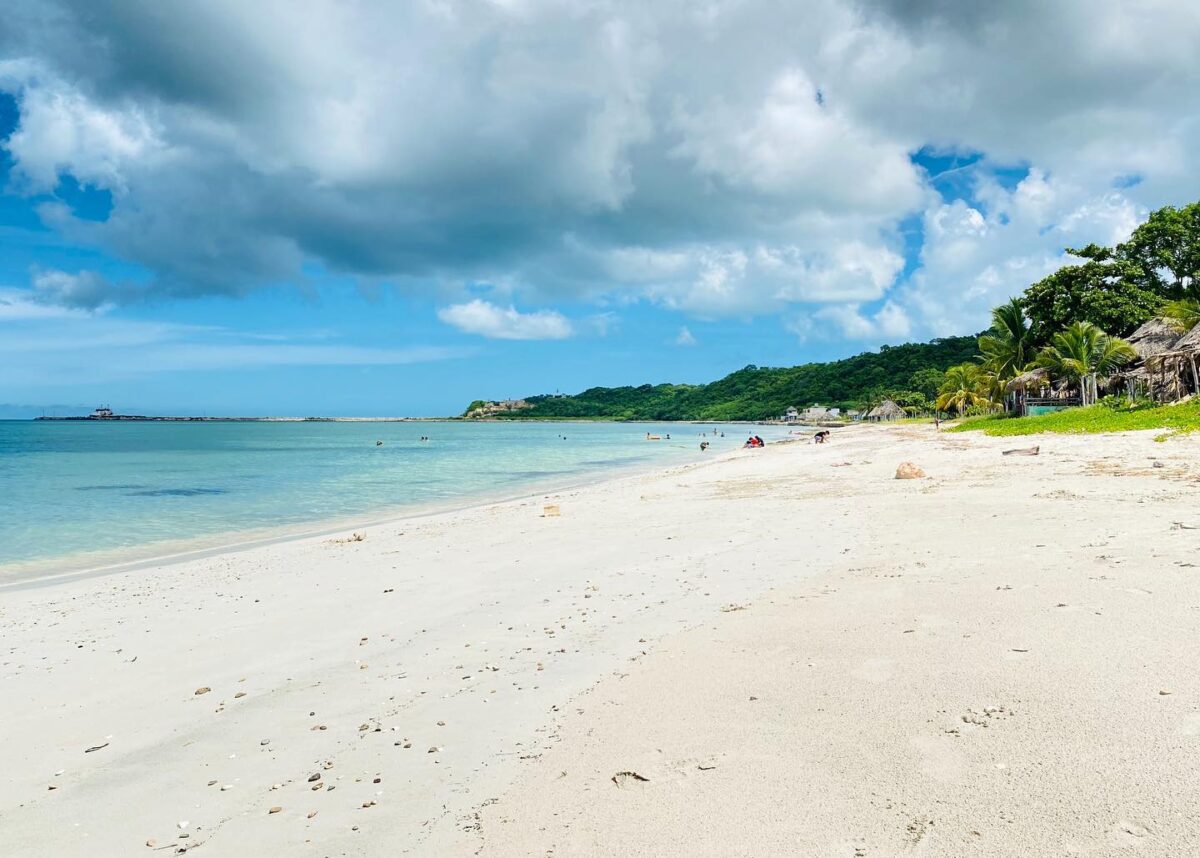
Public transport between cities
Long-distance buses are the backbone of a no-car itinerary. The ADO terminal in Campeche city is the main reference point for many regional departures, while smaller operators and colectivos serve shorter corridors. Buy tickets from an official counter or the operator’s current channel, and verify the terminal and arrival point; a bus described as serving a destination may use a different stop from the one you expect.
Check current Campeche bus and transfer tours on GetYourGuide · See current Campeche transport and sightseeing inventory on Viator
Keep your large pack close and your valuables in a smaller day bag. On an intercity bus, place luggage according to the operator’s system and retain the claim stub if one is issued. Download your accommodation address, save a screenshot of your booking, and carry the next destination in Spanish. Mobile data can disappear on rural roads.
Colectivos are useful on shorter routes but are not a universal solution for archaeological sites. They may leave when full, stop frequently, or return on a schedule that is less obvious to a visitor. Ask where the return colectivo departs before entering a site. If the last practical return is uncertain, do not walk away from the town with no backup cash or phone signal.
Travel during daylight whenever possible. A night bus can be safe and useful on a major corridor, but arriving before local transport or hostel reception begins can erase the saving. For the southern route, build a buffer around Escárcega and Xpujil rather than making a same-day chain of tight connections.
A five-day backpacking itinerary
Five days is enough for a coherent introduction, not the whole state. The route below prioritizes Campeche city, Edzná, and a southern archaeology taste. If you prefer the coast, replace the southern leg with Champotón and Isla Aguada rather than adding everything.
Day 1 — Arrive and learn the city
Arrive in San Francisco de Campeche, leave the large pack at your accommodation, and keep the first afternoon light. Walk through the historic center, identify the market, find the bus terminal route, and buy snacks and water for the next day. The point is not to count attractions. It is to understand the grid, notice which streets are shaded, and see how long the walk back feels in the heat.
At sunset, choose the malecón or a wall-and-plaza walk according to your energy. Eat a straightforward local meal and return early enough to sleep. If you arrived after a long bus ride, this is a better use of the evening than adding a paid activity.
Day 2 — Campeche history and Edzná
Visit one or two museums or fortified viewpoints in the morning, then travel to Edzná only if the current return logistics are clear. Edzná is close enough to be a practical independent excursion, but “close” does not mean you should ignore the last ride back. Carry water, sun protection, and cash for the transport plan.
If you want context, compare a verified guided experience rather than inventing a private guide arrangement at the gate. Compare Edzná and Campeche activities on GetYourGuide · See Edzná-area options on Viator. Return to the city for a low-key evening and keep the next morning flexible.
Day 3 — Move south through Escárcega
Take an early bus toward Escárcega and treat the day as a transfer day. Buy food before departure, keep your phone charged, and do not plan a major ruin visit after a series of connections. If you reach Escárcega early and the next bus is reliable, continue to Xpujil. If not, stay near the transport network and reset.
The backpacker advantage here is flexibility. A traveler with one carry-on pack can change the order more easily than someone managing checked luggage and multiple prepaid tours. Confirm your Xpujil lodging before leaving Campeche, particularly in high-demand periods.
Day 4 — Choose Calakmul or the Río Bec sites
Choose one focus. Calakmul is the major commitment: it demands an early start, a long approach through the reserve, walking, heat, and a return plan. The Río Bec group near Xpujil offers a different kind of day, with several sites and shorter individual visits but still substantial transport requirements. Trying to force both into one independent day is usually a poor bargain.
Compare Calakmul tours and jungle excursions on GetYourGuide · Check current Calakmul and Campeche tours on Viator. If no suitable marketplace product matches your dates, arrange independent transport through a reputable local contact or use a rental car with the correct insurance and a full fuel plan. Do not assume a cheap taxi quote includes reserve fees, waiting time, or every site.
Day 5 — Return or extend
Return toward Campeche, continue east or south, or add a second Xpujil night if the archaeology day was the centerpiece. If you must catch a flight or international connection, do not schedule a remote ruins visit on the same day. The route out of the jungle has too few alternatives for a tight deadline.
For a longer trip, add a coastal branch after returning to the capital. For a shorter trip, spend the fifth day in Campeche city and leave with a better sense of the place rather than a blurred list of bus windows.
A seven-day route for deeper backpacking
Seven days allows you to divide the state into two experiences. Start with three nights in Campeche city. Use one day for the historic center and malecón, one for Edzná and museums, and one for a slower neighborhood or coastal outing. This creates a buffer if a bus is delayed and prevents the city from becoming merely a sleep stop.
Move through Escárcega to two or three nights near Xpujil. One day can center on Calakmul, and another can cover the accessible Río Bec circuit according to current site conditions and transport. A rest morning is not wasted: southern Campeche is hot, and the physical effort of climbing or walking ruins is easy to underestimate.
Use the final day to return north or continue south. If the coast matters more than ruins, replace one Xpujil night with Champotón. If wetlands and dolphins are your priority, plan a separate Ciudad del Carmen–Isla Aguada segment rather than a rushed detour from Campeche city. A seven-day route can include variety, but it still cannot erase the state’s geography.
Calakmul on a backpacker budget
Calakmul is where budget planning becomes most important. The site is remote from Campeche city and from Xpujil, and the road into the reserve takes time. Public transport does not function like a city shuttle to the entrance. From a backpacker perspective, the sensible choices are sharing a vehicle, joining a verified excursion, renting a car with costs split among travelers, or accepting that another ruin is a better fit for the current budget.
Xpujil is the logical overnight base because it reduces the distance and makes an early start possible. Book the room first, then solve the transport. Ask for the complete arrangement in writing: pickup point, return timing, waiting time, reserve or site charges, and what happens if weather or a closure changes the plan. Keep enough cash and water for a route with limited services.
Do not compare the price of Calakmul only with the entrance fee. Include two-way transport, food, a night near Xpujil, and the opportunity cost of a full travel day. For many backpackers, the site is worth that investment. For others, Edzná plus several city experiences gives a more balanced trip. There is no virtue in reaching a remote ruin while exhausted, dehydrated, or unable to afford the journey back.
Coast without the resort budget
Champotón is the easiest coastal addition from Campeche city. It can work as a daytime stop or an overnight, depending on transport. The coast here is about atmosphere, local food, open views, and a slower rhythm rather than a resort package. Swim only where local conditions and advice make it sensible; Gulf water, weather, currents, and beach facilities vary.
Isla Aguada and the Laguna de Términos area require more planning but add a different landscape of wetlands, mangroves, and wildlife. A boat activity is a bookable experience, so verify the current operator, meeting point, duration, and inclusions before paying. Compare current Campeche and Isla Aguada activities on GetYourGuide · See Viator’s Campeche experiences.
A backpacker should not treat a low price as proof that a wildlife outing is responsible. Ask whether the route respects distance from animals, how groups are managed, and what happens in poor weather. Keep the itinerary flexible enough for a boat cancellation. Wildlife is not guaranteed, and an ethical operator will say so.
For an overnight coastal base, compare the total cost with returning to Campeche city. A cheap room can still be a false economy if the final bus back leaves before you are ready. Check current coastal accommodation on Booking.com · Compare available stays on Trip.com.
Car rental: when sharing changes the calculation
A rental car is not automatically a backpacker mistake. It can be the most economical option for three or four travelers visiting Calakmul and several Río Bec sites, especially when the alternative is a series of private taxi arrangements. It can also be unnecessary for a city-and-Edzná trip.
Before renting, price the full package: base rental, Mexican liability coverage, required deposit, fuel, tolls if applicable, parking, and the cost of a backup night. Photograph the car at pickup, understand the roadside-assistance process, and inspect tires and lights. Do not accept a vague statement that your existing travel insurance replaces the liability coverage required for driving in Mexico.
Driving south means long distances, limited services, animals near roads, topes, changing pavement, and stretches with weak mobile coverage. Fill the tank when a reliable opportunity appears, carry water, and avoid night driving on unfamiliar rural roads. Use daylight to make the approach to the reserve and keep a paper or offline route reference.
Read the detailed Campeche car-rental guidance before comparing quotes. A rental becomes attractive when it replaces multiple transfers and gives you a group to share costs with. It becomes a burden when one driver is tired, the itinerary is too ambitious, or the deposit would consume the emergency fund.
GuideCampeche Car Rental Guide: When You Need a Rental CarPractical guide to renting a car in Campeche State — which destinations require one, which don't, what insurance you actually need, and how to avoid the common traps at the rental counter.Explore
Safety and practical independence
Campeche is generally manageable for independent travelers who use ordinary precautions, but a backpacker’s safety plan should account for isolation as well as crime. Share your route and expected arrival with someone, keep copies of documents, and avoid displaying cash. Use official transport channels, especially for long-distance travel.
At night, stay on active, well-lit streets and use a taxi when the walk becomes isolated or unfamiliar. Keep your phone and wallet secure in crowded markets and terminals. If someone offers an unsolicited change of accommodation, ticket, or tour, slow down and verify it through the official provider or your lodging.
The larger risk in the jungle is often poor preparation. Heat, sun, dehydration, insects, uneven steps, and a weak return plan can cause more trouble than the absence of crowds. Carry closed shoes, breathable clothing, sun protection, insect repellent, and more water than you think you need. Tell someone when you expect to return from a remote activity.
Respect archaeological sites and communities. Do not climb a structure where access is prohibited, remove stones or plants, fly a drone without the required permissions, or photograph people in a way that treats them as scenery. Ask before photographing workshops, markets, or ceremonies. Backpacking is a chance to spend time in places, not a license to move through them without attention.
Heat, rain, and packing
Pack for drying clothes quickly. Lightweight shirts, a hat, sandals or breathable shoes, and a small rain layer are more useful than a large wardrobe. A dry bag or waterproof cover protects documents and electronics during sudden rain. Keep one clean, dry set of clothes for bus rides and sleeping.
The hottest part of the day can make an ambitious sightseeing list unrealistic. Start early, take a midday break, and return outdoors in the late afternoon. Air conditioning in a room is a practical consideration, not a luxury, when you have an early bus or a demanding ruin visit the next morning.
Bring a headlamp or small flashlight for arrivals, a power bank for long rides, and offline maps. Carry a small first-aid kit, prescribed medication, oral rehydration supplies, and copies of travel documents. A compact combination lock is useful for hostel lockers, but never treat it as a substitute for sensible behavior.
Avoid packing so much that a colectivo or stairway becomes difficult. One adaptable main bag and a small daypack are enough for most routes. Leave room for water and food on transfer days. The more mobile you are, the easier it is to take an earlier bus, change bases, or walk from a terminal.
How to meet people without overplanning
Campeche’s smaller hostel scene can make social travel less automatic, but it can also be more genuine. Use communal areas, ask other travelers about their next leg, and offer to share a verified taxi or rental-car cost only after agreeing on the details. Never hand over your passport or full payment to a new acquaintance for a supposed booking.
Walking tours and food activities can be good ways to meet people while learning the city. Check the current description, meeting point, language, group size, and cancellation policy. Browse Campeche walking and food experiences on GetYourGuide · Compare Viator sightseeing options. A marketplace listing is a starting point, not a reason to assume every detail remains unchanged.
Travelers heading to Calakmul often have overlapping plans. A hostel noticeboard or conversation may help you find a compatible companion, but discuss comfort, departure time, costs, and what happens if someone wants to leave early. Sharing a car is only a saving if everyone agrees on the route.
You can also meet people in markets, plazas, museums, and bus queues without turning every interaction into a social obligation. A calm, independent trip includes quiet meals and solo walks. Campeche rewards travelers who notice the city’s ordinary rhythm as much as those who collect destinations.
Common backpacking mistakes
The first mistake is treating Campeche city as if it were the whole state. The capital is a useful base, but Calakmul and the Río Bec sites are not casual day trips in the same way as Edzná. Check a map before booking a room and understand whether you are moving north, south, or along the coast.
The second is using a browser search result as a current timetable. Operators change departures, terminals, and prices. Confirm directly before leaving, and keep an offline screenshot. The third is assuming a cheap remote transfer includes every fee and the return journey. Ask for the complete cost and schedule.
The fourth is overpacking the itinerary. One well-planned ruin day is better than three rushed sites. The fifth is skipping a buffer before a flight or international connection. A missed southern bus can require a full day to repair.
The sixth is forgetting cash. Cards are increasingly useful in cities, but small transport, markets, and rural services may not accept them. Carry a reasonable reserve without displaying it, and separate it from your daily wallet. The seventh is underestimating water and shade. Heat changes the pace of every plan.
 Route 186 through the Calakmul Biosphere Reserve
Finally, do not judge a town only by the number of attractions listed online. Escárcega may be a practical overnight, Xpujil may be the right base because of geography, and Champotón may be worth a stop for its coastal setting. Backpacking is often about making the route fit the place rather than demanding that every place fit a standard tourist template.
 Edzná archaeological site in Campeche
Choosing your version of the route
Choose the city-and-ruins route if you have three or four days. Base yourself in Campeche, walk the fortified center, visit Edzná, and add the malecón, museums, markets, and a quiet meal. This is the most forgiving route without a car and the one with the simplest backup options.
Choose the jungle archaeology route if Calakmul is the priority. Reserve at least two nights near Xpujil, plan the transport before arrival, and accept that the remote south will dominate the schedule. Add nearby Río Bec sites only when the day remains realistic.
 Puerta de Tierra in the historic centre of San Francisco de Campeche
Choose the coastal route if wetlands, seafood, beaches, and Gulf landscapes matter more than checking off ruins. Use Campeche city, Champotón, and a carefully researched Isla Aguada or Laguna de Términos extension. Build weather flexibility into any boat plan.
Choose the road-trip route if you are traveling with companions and can share a properly insured rental car. This opens the Chenes area, dispersed archaeological sites, and smaller communities, but it also makes the driver responsible for fuel, navigation, fatigue, and roadside decisions. A car expands the map; it does not remove the need for judgment.
Final recommendation
For a first backpacking trip, spend two or three nights in San Francisco de Campeche, use public transport for the city and Edzná, then decide whether Calakmul justifies a separate southern leg. If it does, move through Escárcega and sleep near Xpujil instead of attempting the jungle as a rushed return day. Keep one uncommitted half-day, carry water and cash, and let the state’s distances shape the itinerary. That approach costs less in mistakes and gives you time to experience Campeche as a place rather than a line between better-known destinations.