
Eating well in Ciudad del Carmen
Ciudad del Carmen is a useful place to eat if you understand what kind of city it is. This is a working Gulf city on Isla del Carmen, not a resort strip built around a single tourist cuisine. Fishing, shipping, offshore industry, the wetlands of Laguna de Términos, and a large local population all shape the food. You will find seafood, of course, but you will also find breakfasts, tacos, regional stews, Italian food, casual bars, market dishes, and family restaurants that serve the food people need during an ordinary week.
That variety makes the city easier for groups with different appetites, but it also means that a list of famous names is less useful than a method. Menus change. Seafood supply varies. A restaurant that appears open on an old directory may have changed its schedule. Some places are known for a particular dish, while others are simply convenient for a late meal after a beach visit or a bus journey. Use this guide to choose by meal, area, and purpose, then confirm the current menu and hours locally.
The strongest food visit has three parts. Try at least one preparation that belongs to Campeche's coastal cooking; eat one everyday meal in a market or casual setting; and allow one longer meal for the seafood that makes Carmen different from inland cities. If you have only one day, breakfast and lunch are usually more revealing than waiting for a late dinner.
 Laguna de Términos near Ciudad del Carmen

The short answer: where should you eat?
For a first visit, divide your meals among four useful areas rather than trying to cross the island for every recommendation.
- The central streets and main square: practical for breakfast, tacos, regional dishes, and a meal between the sanctuary, museum, and waterfront.
- The market area: the best place to see everyday shopping and find simple breakfasts, soups, antojitos, and prepared food when stalls are active.
- The malecón and central waterfront: convenient for an evening walk, drinks, snacks, and restaurants where the view matters as much as the plate.
- The beach and modern urban districts: better for seafood-focused meals, family outings, and a slower lunch reached by taxi or car.
Do not treat these zones as interchangeable. Downtown is the easiest choice without a car. A farther seafood restaurant may be worth the ride when the meal is the main event, but less so when everyone is hungry after a hot beach day. The waterfront is pleasant near sunset, yet a view does not guarantee a regional menu. Read the menu and ask what is prepared locally today.
Ciudad del Carmen is also a good base for an outing around Laguna de Términos or Isla Aguada. In that case, plan food around the departure point. A boat excursion may begin in a different community from the city centre, and the return time may be less predictable than a restaurant reservation. Ask your operator or accommodation where you can eat nearby instead of assuming you will be back downtown for dinner.
Check current Ciudad del Carmen stays on Booking.com · Compare Ciudad del Carmen hotels on Trip.com
What food is Ciudad del Carmen known for?
The city's food reflects the Gulf more directly than the colonial capital's dining circuit. Fish, shrimp, octopus, crab, cocktails, fried seafood, grilled preparations, citrus, tomato, habanero, beans, corn, and regional recados all appear. The same ingredient can arrive in a simple market plate or a more elaborate restaurant dish. The important distinction is not whether a menu uses the word “seafood,” but whether the kitchen is working with local coastal habits and a fresh supply.
Pan de cazón
Start with pan de cazón if you want one dish that explains Campeche. The name can confuse visitors: it is not bread. It is usually built from corn tortillas, black beans, shredded cazón or another locally available fish, and a tomato-based sauce, often with chile on the side. The layers are soft and savoury. Beans give the dish weight, while fish and sauce keep it connected to the coast.
Recipes vary by cook and by what fish is available. Do not assume that every plate uses the same species or that an online description reflects today's preparation. If you have a fish allergy, ask exactly what is used. If you dislike heat, request chile separately rather than judging the dish by its red sauce alone.
Pan de cazón works especially well at lunch. It is more substantial than a snack and gives you enough energy for an afternoon walk, museum visit, or trip to the malecón. Share it only if the table is also ordering other food; a single portion can be a complete meal.
Fish and shellfish
Look for grilled or fried fish, ceviche-style preparations, seafood cocktails, shrimp, octopus, crab, and fish soups. Menus may offer coconut shrimp or local-style escabeche, but these are not guaranteed daily. Ask what arrived that morning and which dish the kitchen recommends. A busy restaurant with a short current seafood list can be a better choice than a huge menu that appears to cover every cuisine.
Raw seafood deserves ordinary caution in a hot, humid climate. Choose places with visible turnover and good local traffic. If you are unsure about the handling of a cocktail or ceviche, order cooked food instead. This is particularly sensible when you have a long bus ride, boat trip, or flight the next day.
Inland and everyday food
Do not spend the whole trip looking for shellfish. Ciudad del Carmen also serves the wider cooking of Campeche and the peninsula: eggs, beans, tacos, tamales, soups, stews, pork, chicken, rice, tortillas, and antojitos. These meals can be more useful than seafood when you need an early breakfast, a quick dinner, or a lower-cost option.
A practical way to eat is to make seafood the deliberate meal, not the automatic meal. Have eggs or antojitos in the morning, a regional plate or fish at lunch, and choose something lighter in the evening if the heat has reduced your appetite.
The market: everyday food first
The central market is the most useful place to understand what people eat when they are not dining for a special occasion. Depending on the day and season, you may find produce, fish, meat, tortillas, prepared plates, soups, tacos, tortas, sweet bread, coffee, and small stalls serving breakfast. The offer is not a fixed attraction with a guaranteed menu. Go when the market is active and look at what has a steady flow of customers.
 A view associated with Ciudad del Carmen's urban coast and local waterfront
Morning is the easiest time for a first market visit. Temperatures are usually more comfortable, breakfast stalls are operating, and you can continue to the central streets before the strongest sun. Around the local lunch period, cooked food becomes more prominent, but seating may be limited and the environment busier.
Market etiquette is simple. Ask before photographing vendors or customers. Keep your bag close without treating ordinary market life as dangerous. Carry small peso notes and coins. Pointing at a plate is often enough, but a few phrases help: ¿Qué recomienda? (What do you recommend?), ¿Tiene picante? (Is it spicy?), and ¿Cuánto cuesta? (How much does it cost?). If you have an allergy, explain it before ordering rather than relying on a gesture.
Choose stalls where food is turning over and hot dishes are served hot. A long line is not an absolute guarantee, but it is useful evidence that the food is being prepared and replaced. Be more cautious with raw shellfish that has been sitting in the heat. Drink sealed water or water from a source you trust, especially if you plan to spend the afternoon outside.
The market is not the right setting for every traveller. It can be hot, noisy, crowded, and less comfortable for someone who needs a quiet air-conditioned room. That does not make it inferior; it simply serves a different purpose. Come for an everyday meal, not for polished service or a carefully timed celebration.
Restaurants in the historic centre
The central streets are the most straightforward choice for visitors staying downtown. You can combine a meal with the sanctuary, the museum, the main square, and an evening walk. The area has a mixture of regional, Mexican, seafood, international, and café-style menus. Some rooms occupy older buildings or face pedestrian streets, which makes the setting pleasant after dark.
The central location also creates two traps. First, a restaurant with a colonial façade is not automatically a specialist in Campeche cooking. Second, a menu translated for visitors may describe dishes more confidently than the kitchen can prepare them on a particular day. If pan de cazón or local fish is your priority, ask specifically whether it is available now.
Lunch is often the best time for a regional meal. You can eat before the heat becomes oppressive, rest in the afternoon, and return to the centre later. Dinner is more atmospheric, particularly around the busy pedestrian streets, but it can also be noisier and more crowded. If you are travelling with children or want a quiet conversation, arrive earlier.
Calle 31 and the streets around the central square can be useful for casual choices, while the pedestrian restaurant circuit is more convenient for visitors who want to stay close to the evening activity. Names and tenants change, so use the current sign, menu, and local recommendation. Do not plan an entire trip around a venue listed only in an old article.
Seafood-focused dining
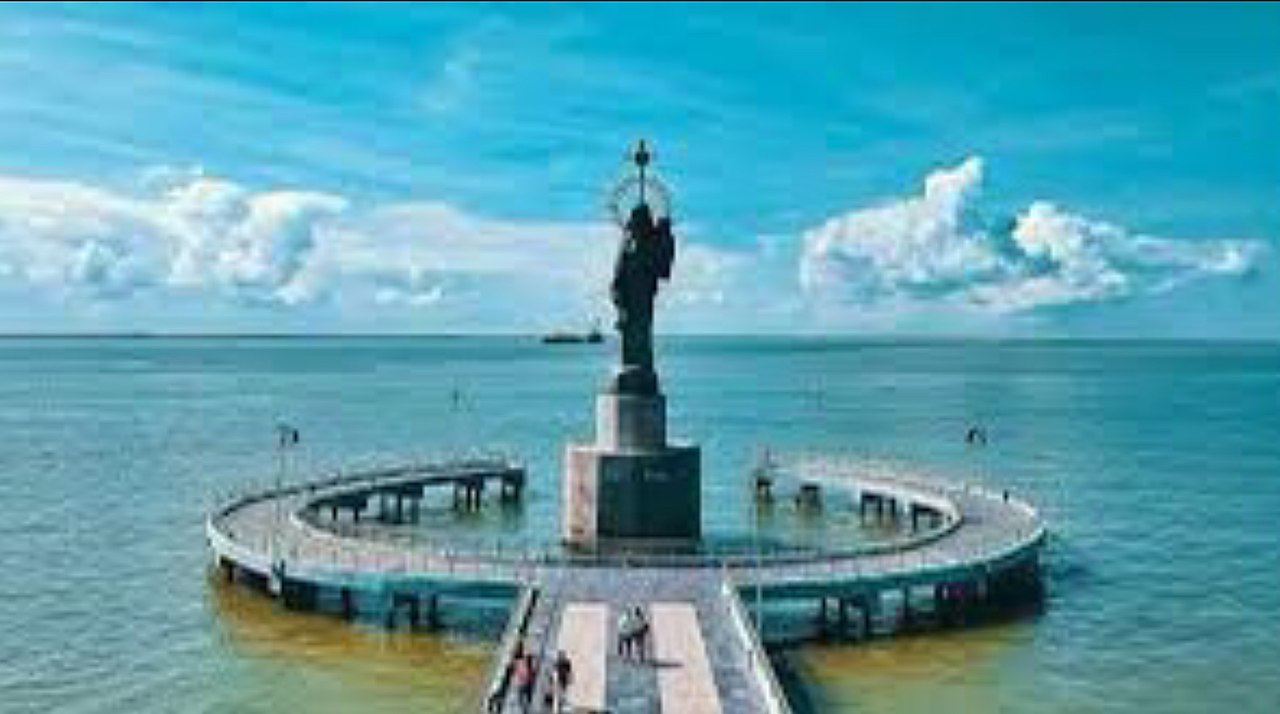 Stella Maris landmark in Ciudad del Carmen, Campeche
A seafood-focused meal is worth making deliberate. Ciudad del Carmen's relationship with the Gulf and Laguna de Términos gives restaurants access to fish and shellfish that are central to local food culture. That does not mean every seafood dish is landed nearby, and it does not mean every species is available year-round. Ask what is in season and what arrived recently.
A good order for a group is usually varied: one grilled or cooked fish, one shellfish preparation, and one regional dish such as pan de cazón. That lets you compare techniques without ordering several plates that are all fried or all dressed with citrus. If you are eating alone, a daily special or a half portion is often more sensible than a large platter.
Check whether the menu price is by portion, weight, or market price before ordering a large fish or shared shellfish dish. The truth rule for this guide is deliberately cautious about prices because menus change, but the practical rule is simple: ask before the kitchen starts cooking. Confirm whether sides, drinks, and service are included in the amount you understand.
Higher-end seafood dining is usually easier outside the most compact historic streets. A taxi or short drive may be worthwhile for air conditioning, a larger dining room, or a more focused menu. Plan the return journey, particularly if you are staying in a hotel away from the centre. A restaurant is not convenient if everyone is tired and no one knows how to get back.
Compare current Ciudad del Carmen activities on GetYourGuide · See current Viator options in Campeche State
Casual meals, tacos, and antojitos
Casual food is the answer when you want to eat well without building the evening around a reservation. Look for tacos, tortas, quesadillas, empanadas, soups, grilled meats, fried fish, and breakfast plates in busy neighbourhood locations. You do not need a famous name for a good meal. Turnover, a clear menu, and local customers are more useful signals than an old ranking.
Breakfast can be the most reliable casual meal. Eggs, beans, tortillas, coffee, fruit, and simple antojitos are filling without requiring a long wait. If you have an early bus or a lagoon excursion, ask your accommodation which nearby places open early rather than trusting a map listing. Schedules are especially changeable on Sundays, holidays, and around local festivals.
For lunch, look for a comida corrida or daily plate where available. The exact format varies, but it may include soup, a main dish, rice, beans, tortillas, and a drink. Ask what the main dish is before sitting down if you have dietary limits. A daily plate is useful for travellers who want an ordinary meal and a predictable rhythm, though it may not focus on seafood.
At night, casual counters and small restaurants can be more comfortable than a long formal meal. Order one item first if you are unsure about portion size or spice. Habanero is often served separately, but sauces and marinades can still contain chile. Tell the server what you can and cannot eat.
Food around Playa Norte and the beaches
A beach day changes your restaurant priorities. Near Playa Norte and other urban coastal areas, convenience matters: shade, water, toilets, parking, and a safe way to store belongings may be more important than a highly rated dish. Seafood and cold drinks are natural choices, but check that prepared food is being handled properly and that raw items have not been sitting in the sun.
Eat earlier if you are travelling with children or want to swim after lunch. The strongest heat can reduce your appetite and make a heavy plate uncomfortable. Bring water and sun protection even if you plan to buy food. Beach services vary by section and season, and a quieter stretch may have no nearby place to replace supplies.
Do not assume every beach restaurant is directly on the sand or open every day. Confirm the actual location and current hours when choosing a farther beach. If the food is the main reason for the drive, call or ask locally before setting out. Otherwise, keep the beach outing simple and return to the city for a more dependable dinner.
A food walk without rushing
A useful first-day food route begins with breakfast near the centre. Walk through the main square and surrounding streets while the air is relatively cool, then visit the museum or sanctuary if open and appropriate. Choose lunch based on the current menu rather than trying to fit a restaurant name into an inflexible route.
Rest during the hottest part of the afternoon. This is not wasted sightseeing time. Ciudad del Carmen is humid, and a traveller who skips water and shade may lose the evening to exhaustion. In late afternoon, walk the waterfront and decide whether dinner should be a seafood meal, a casual plate, or something near the hotel.
If you want to include the market, do it on a separate morning rather than adding it after a late night. Market food is most useful when the stalls are active. If you want a lagoon excursion, arrange it as the day's principal activity and ask where lunch is realistic. Trying to combine a long boat trip, the beach, downtown sightseeing, and three restaurant districts creates more transport than travel.
How many meals should you plan?
For one night, plan a breakfast and one intentional meal. A market breakfast followed by a seafood lunch or dinner is enough to understand the city's food without eating the same style repeatedly. Add a snack or casual taco stop only if you still have room.
For two nights, use the first day for the centre and the second for the coast or lagoon. Make the central meal regional, choose seafood after the beach only if the timing works, and leave one meal flexible. That flexibility matters because weather, traffic, and a boat operator's return time can shift the day.
For three or more nights, explore by pattern: market breakfast, casual lunch, seafood dinner, and one meal outside the tourist centre. You can also use the extra time to visit Isla Aguada or another coastal community, but remember that it is a separate place and not simply another restaurant neighbourhood in Carmen.
Choosing a restaurant by traveller type
If you are on a budget
Use the market, breakfast cafés, tacos, daily plates, and casual counters. Eat the main meal at lunch when daily menus may be available. Carry cash in small denominations, but ask the price before ordering if no menu is posted. A lower-cost meal should not mean ignoring hygiene: choose places with turnover, clean work surfaces, and hot food.
A budget traveller should also consider transport. A cheap plate across the island can cost more in taxis than a good meal near the accommodation. Stay central if you want to walk to several meals, or choose a beach-area base if the coast is the priority.
If you care about regional food
Make pan de cazón the first specific request, then look for fish in escabeche, local seafood, dogfish or fish empanadas, and preparations using beans, corn, tomato, citrus, and habanero. Ask which dishes are genuinely Campeche-style rather than accepting every “Mexican” item as regional. A market meal can provide useful context even when it is not a signature dish.
If you are travelling with children
Choose an area with easy toilets, shade, and a short route back to the hotel. Breakfast, rice, beans, tortillas, grilled chicken, and simple quesadillas can be easier than a seafood tasting. Ask for chile separately. On a beach day, eat before everyone becomes overheated and keep drinking water available.
If you want a special seafood meal
Choose the restaurant after checking the current catch and menu. Ask about portion sizes, preparation time, sides, and the return taxi. A longer lunch is often more comfortable than a late dinner after a humid day. If the restaurant is outside the centre, make the meal the destination instead of squeezing it between unrelated attractions.
If you do not eat seafood
Ciudad del Carmen remains manageable. Look for breakfast plates, tacos, soups, stews, pork, chicken, vegetables, beans, and Italian or broader Mexican menus. Explain your restrictions clearly. Seafood stock, shrimp paste, fish sauce, shared fryers, and mixed kitchens can matter even when a dish appears meat-free.
Food safety and ordering language
The basic precautions are the same as in any hot coastal city. Drink sealed water or water from a trusted source. Wash hands before eating when possible. Choose busy stalls where food turns over. Be careful with raw shellfish and mayonnaise-based salads that have been sitting in the heat. Carry oral rehydration salts if you are prone to stomach trouble, especially when travelling onward by bus.
Useful phrases include:
- ¿Qué pescado tienen hoy? — What fish do you have today?
- ¿Es fresco o congelado? — Is it fresh or frozen?
- ¿Tiene chile? — Does it contain chile?
- Sin picante, por favor. — No spicy food, please.
- Tengo alergia a… — I am allergic to…
- ¿Aceptan tarjeta? — Do you accept cards?
- ¿La propina está incluida? — Is the tip included?
A language barrier is not a reason to avoid local food, but guessing about an allergy is not worth the risk. Use a translation app for a detailed restriction and show it before ordering.
Eating with the city's weather
Heat changes how Ciudad del Carmen tastes. A heavy meal in the middle of a humid afternoon can make a beach or museum visit unpleasant. Start earlier, drink water steadily, and use lunch as a reason to rest indoors. If you have a boat outing, choose food that will travel well and avoid experimenting with raw seafood immediately before departure.
Rain is another reason to avoid a rigid restaurant plan. Tropical showers can interrupt beach access and make a distant dinner inconvenient. Keep one meal near your accommodation and check whether the restaurant has indoor seating. During local festivals and religious celebrations, central streets may be busier and restaurants may alter their hours.
What not to overpromise
Ciudad del Carmen has good seafood, but it is not a guarantee that every meal will be exceptional or that every menu item is local. Some restaurants serve international food because residents want it. Some seafood is sourced through broad distribution networks rather than caught beside the dining room. A good guide should help you ask better questions, not pretend that the city has one perfect answer.
The same applies to markets. They are valuable because they are everyday places, not because every stall is designed for visitors. Be respectful, accept that comfort levels differ, and leave if a setting does not work for you. A quieter restaurant is not less authentic, and a busy counter is not automatically safe.
A practical two-day food plan
Day one: Have breakfast near the central streets. Walk the centre before the heat builds. Choose pan de cazón or another regional plate for lunch, then rest. In the late afternoon, walk the malecón and have a light dinner or seafood meal based on the current recommendation.
Day two: Go to the market for breakfast and keep the order simple. If you are visiting Playa Norte, eat near the beach only when the current conditions and food handling look good; otherwise return toward the city for lunch. If Laguna de Términos or Isla Aguada is your main activity, confirm the departure point and plan food around that community. Finish with a meal near your accommodation rather than racing back across the island.
This plan leaves room for a closed kitchen, rain, a long museum visit, or a slow conversation. It also avoids repeating the same restaurant type every day.
Is Ciudad del Carmen worth visiting for food?
Yes, particularly if you like coastal food that exists alongside ordinary city life. The reward is not a perfectly curated restaurant district. It is the ability to move from a market breakfast to a regional lunch, watch the water at sunset, and eat seafood in a city whose economy and geography are tied to the Gulf and the lagoon.
Stay central if you want to walk between meals and historic sights. Choose a beach-oriented base if the coast is your priority. Use a taxi or car for a deliberate seafood outing, and verify the address before leaving. Ask what is fresh, order pan de cazón when available, keep raw seafood decisions sensible, and allow enough time for lunch rather than treating every meal as fuel between attractions.
Ciudad del Carmen's best food experience is flexible and local in scale. Let the market tell you what people are eating, let the seafood menu reflect the day's supply, and keep one meal unplanned. That approach gives you a more accurate taste of Campeche's southern Gulf coast than following a fixed ranking from another season.
GuideCiudad del Carmen, Campeche: Complete Travel Guide & Things to DoA practical guide to Ciudad del Carmen, Campeche: beaches, the waterfront, local history, Laguna de Términos, transport, food, and how long to stay.ExploreFrequently asked questions
What is the signature dish of Ciudad del Carmen?
Pan de cazón is the dish most visitors should seek first. It combines tortillas, black beans, fish, and tomato sauce, with variations by cook and availability. Ask what fish is being used and whether the dish is available that day.
Is seafood expensive in Ciudad del Carmen?
Prices vary by restaurant, species, portion, and whether a dish is priced by weight or market availability. Ask before ordering a large fish or shared platter. Markets and casual restaurants generally offer more economical meals than formal seafood dining rooms.
Can you eat well without a car?
Yes. Stay near the centre and use walking for breakfast, the market, and central restaurants. Taxis are useful for beaches, farther seafood restaurants, and the bus terminal. If you book a lagoon outing, confirm the meeting point and return transport first.
Is market food safe?
Use ordinary care. Prefer busy stalls with visible turnover and hot food, be cautious with raw shellfish in the heat, and drink water from a trusted source. Ask before photographing vendors and carry small cash.
Should you eat before a lagoon tour?
Usually, yes, unless the operator clearly includes food. Have a light meal and carry water, then ask whether the boat has shade, a return time, and a place to eat afterward. Do not assume you will return downtown between the outing and dinner.
What should vegetarians order?
Look for eggs, beans, rice, tortillas, quesadillas, soups, vegetables, and meat-free antojitos. Ask about lard, chicken stock, seafood stock, and shared cooking surfaces. A detailed explanation in Spanish is safer than simply saying “sin carne.”
When is the best time for a restaurant meal?
Breakfast and lunch are practical for regional food and market eating. Late afternoon and early evening are comfortable for the waterfront. If you want a special seafood meal, lunch often gives you more time and a cooler setting than a late dinner.
Are restaurants near the malecón open late?
Some may be, but schedules change and should be verified locally. Do not rely on an old listing after a festival, holiday, or seasonal change. If arriving late, keep a nearby option in mind.
Ciudad del Carmen is easiest to enjoy when you choose food according to the island's geography. Eat close to the centre when you are walking, make the market a morning visit, reserve seafood for a meal you can give time to, and treat Laguna de Términos and Isla Aguada as separate outings. The result is less rushed, more comfortable, and much closer to the way this southern Campeche city actually eats.
Check current Ciudad del Carmen accommodation on Booking.com · Compare current stays on Trip.com
Compare Campeche State experiences on GetYourGuide · Browse Viator listings for Campeche
Consider current menus, local advice, weather, and your own route together. In Ciudad del Carmen, the right restaurant is usually the one that fits the day's geography and gives the Gulf food enough attention.
